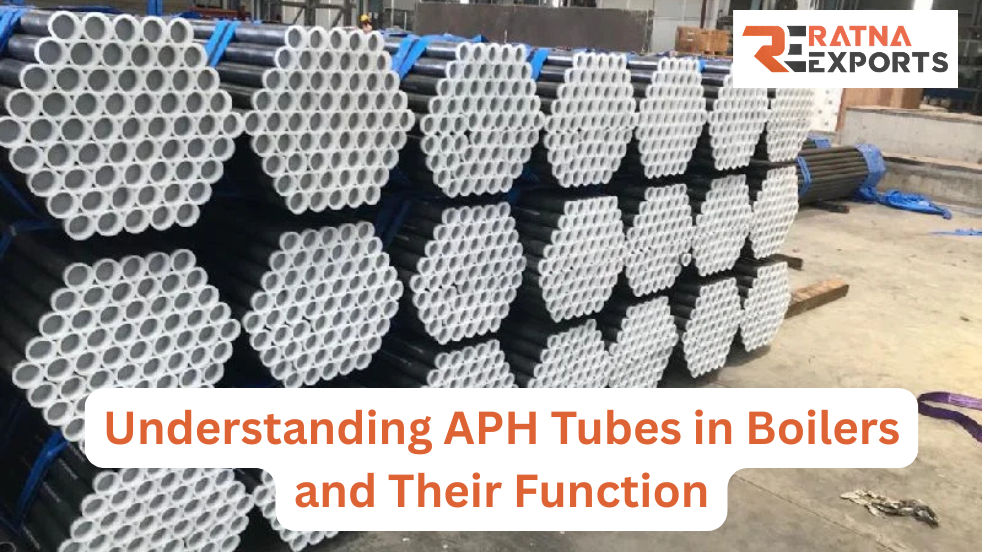
Industrial boilers are built to turn fuel into steam with maximum efficiency. In many large plants, combustion produces a lot of heat, but not all of that heat is turned into steam right away. A significant amount of heat often escapes through the exhaust or flue gases. To stop this energy from being wasted, heat recovery systems are installed. One of the most common components used for this is the Air Preheater, or APH. Inside these preheaters, you will find APH tubes. These tubes are basically heat exchangers. These components are important for maintaining high thermal efficiency in power plants and processing units. If the boiler isn’t recovering heat properly, fuel costs go up quickly. Modern systems rely on these tubes to squeeze as much energy as possible out of the combustion process before the gases leave the stack.
What is an APH Tube in a Boiler?
An APH tube in a boiler is a kind of heat exchanger tube installed within the air preheater section. The air preheater is usually situated between the economiser and the chimney. Its primary job is to take the heat from the hot flue gases that have already passed through the main boiler sections and transfer that heat to the cold air being blown into the furnace for combustion. The APH tube in the boiler acts as the barrier and the conductor. The hot gases flow on one side of the tube wall, either inside or outside, depending on the design, and the combustion air flows on the other side. This process happens continuously while the boiler is running. Because these tubes are placed in the path of flue gases, they have to deal with high temperatures and sometimes corrosive elements, depending on the fuel being burnt.
APH Tube Function in Boiler
The APH tube function in boiler operations is straightforward but necessary for the system to work well. Here are the primary functions:
- It preheats the combustion air to a higher temperature before it enters the furnace.
- This increases overall fuel efficiency because the flame doesn’t need to use as much energy to heat cold air.
- It also cuts down energy losses by reclaiming heat that would otherwise escape through the chimney.
- The higher air temperature enhances overall boiler performance and helps in more stable combustion.
- It helps in lowering emissions by ensuring the fuel burns more completely.
Boiler APH Tube Material
Choosing the right boiler APH tube material is a technical decision that depends on the environment inside the boiler. Since these tubes are exposed to flue gases, they can face a lot of wear. Most commonly, carbon steel is used because it is cost-effective and handles standard temperatures well. But if the flue gas is very hot or the fuel has a lot of sulfur, carbon steel can wear out quickly. In those situations, alloy steel is better because it can handle heat and stress more effectively.
Stainless steel is also used sometimes, especially when there is a high risk of corrosion. Corrosion often happens when the temperature of the flue gas drops too low, causing moisture and acids to condense on the tube surface. This is known as cold-end corrosion. To prevent this, the boiler APH tube material might be upgraded to something like Corten steel or even glass-coated tubes in extreme cases. The selection process usually looks at the operating temperature, the chemical composition of the fuel, and the pressure conditions. If you pick a material that is too weak, the tubes will leak, and the boiler will lose pressure or efficiency. This eventually affects the steam flow going to the MSV (Main Steam Valve) and the rest of the plant.
Types of APH Tubes
Multiple tube configurations are used, selected according to the boiler’s design and the specific heat transfer requirements.
- Straight tubes: These are the most widely used type. They’re simple to clean and allow air or gas to move through without obstruction.
- Finned tubes: These include small metal fins attached to their outer surface. The fins increase the surface area, which allows more heat to be transferred in a smaller space.
- Corrosion-resistant coated tubes: These are regular tubes that have been given special protective coatings or built from materials engineered to withstand acid corrosion at the cold end of the air preheater.
Benefits of Using High-Quality APH Tubes
Using good-quality tubes makes a big difference in how often you have to shut down for repairs.
- Better heat transfer. High-quality materials and proper sizing ensure that the maximum amount of heat is moved from the gas to the air.
- Longer service life. Good steel grades resist thinning and pitting, so the tubes don’t need to be replaced as often.
- Reduced maintenance cost. When tubes stay clean and intact, there is less need for manual soot blowing or emergency patching.
- Improved overall plant performance. When the APH runs efficiently, the boiler can produce the same amount of steam with less fuel. This helps keep pressure at the MSV steady and ensures that the turbines or process equipment get the energy they need.
Conclusion
APH tubes are important parts of boilers that help cut fuel use and keep the system running smoothly. They look like basic metal pipes, but they capture heat that would otherwise be wasted and help keep the boiler stable. By understanding the APH tube function in boiler setups and choosing the correct boiler APH tube material, operators can avoid a lot of issues related to corrosion and efficiency loss. It really comes down to energy savings. If you can use the heat you’ve already paid for in the form of fuel, the whole plant runs better. High-quality tubes ensure that this heat recovery happens reliably for years, contributing to both the bottom line and the longevity of the boiler equipment.